Your operation requires regular sanitation protocols tailored to specific risks, processing volumes, food allergens, and regulatory visits, including auditable records confirming HACCP requirements, compliance audits, and public health regulations. The information following provide guidance on sanitation program requirements.
Main Points
- Brampton's food safety cleaning experts provide services to restaurants, grocery departments, commissaries, warehouses, bakeries, schools, mobile vendors, and allergen-sensitive operations.
- High-touch surfaces, food-contact equipment, kitchens, floors, drains, restrooms, and storage areas are treated using zone-based workflows to prevent cross-contamination.
- Checking of proper chemical concentration, appropriateness, and contact time is performed by certified contractors, with conclusion filed using swabs, reviews, and action records.
- Hygiene schedules must follow danger, production volume, switches, releases, and guidelines, with daily, weekly, and cyclical activities distributed by location.
- Focus on suppliers exhibiting hazard analysis knowledge, health regulatory understanding, WHMIS preparation, liability, references, color-coded implements, and inspection-ready hygiene paperwork.
Food Safety Cleaning Requirements for Brampton Facilities
Brampton operations that manage, store, prepare, package, or offer food require hygiene cleaning. Implement it if your establishment is regulated by health department oversight, food standards, or HACCP systems. The mandate covers food venues, break rooms, supply centers, retail departments, butcheries, seafood areas, stores, and facility food prep.
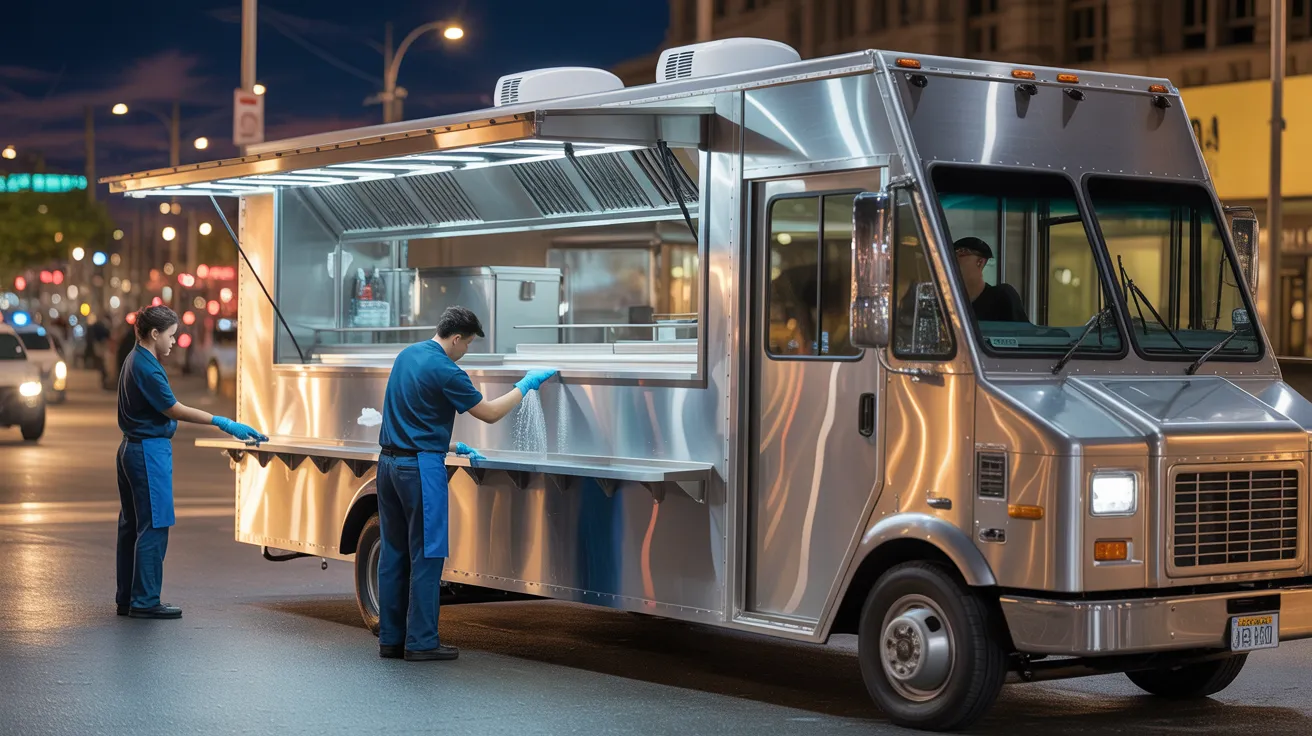
You'll also need adherent sanitation standards in storage centers, processing facilities, refrigerated warehouses, bakery retailers, school nutrition programs, event halls, and delivery centers. Mobile and temporary operations matter as well, such as food trucks, event sellers, and temporary stalls. When your workers work with ingredients, section ready-to-serve foods, heat meals, or keep allergens stored, your location requires written cleaning standards. In Brampton, cleanliness continues to be mandatory; it comprises regulatory, business, and safety adherence.
What Do Brampton Cleaning Experts Clean?
Your facility requires professional cleaners who sanitize all high-touch areas, cooking and food prep areas, all floor types, and toilet facilities to maintain food safety compliance and public health standards. These specific areas are emphasized because they represent the most significant contamination risk, hazardous walking conditions, and violations of hygiene standards.
When you know their cleaning scope, you can ensure your operation's cleaning procedures satisfy operational and regulatory requirements.
Prioritizing High-Touch Surface Sanitizing
establish a sterilization plan
check that cleaning was proper
Food Prep Areas, Flooring, and Sanitary Facilities
Brampton cleaning services focus on kitchens, floors, and restrooms as each zone presents distinct sanitation, slip-and-fall, and wellness risks. In industrial kitchens, you need grease removal from cooking stations, appliance surfaces, drain systems, preparation areas, and backsplashes to minimize bacterial growth and pest activity.
Floor care that is recorded should equally be anticipated. Technicians scrub and extract buildup from grout, tile, and vinyl flooring, then apply suitable dehydration methods so you can reduce slip incidents and maintain code-compliant conditions. They also handle entry points where dampness and dirt enter the building.
Restroom sanitation involves sanitizing surfaces, fittings, separators, dispensers, and containers, replenishing amenities and managing odor. They also service restaurant moprooms, where chemical storage, sink hygiene, and drainage conditions can affect sanitation compliance and staff safety daily.
How Food Safety Cleaning Benefits Brampton Operations
To comply with health code requirements and succeed in audits, Brampton facilities must maintain appropriate cleaning protocols. You also minimize bacterial spread through proper cleaning of food-preparation surfaces, appliances, and frequently-touched items. Most importantly, you help protect public health by lowering the risk of foodborne illness in your facility.
Sanitary Standards Adherence
Because Brampton food operations operate under rigorous sanitary regulations, food safety cleaning directly influences your capability to fulfill health code requirements, ensure the safety of customers, and avoid enforcement action. You must maintain sanitary food-contact surfaces, recorded sanitation plans, proper chemical use, and verifiable staff procedures that correspond to municipal and provincial inspection expectations.
Should your cleaning standards deteriorate, you risk citations, compliance orders, loss of reputation, and possible interruption to service during subsequent audits or compliance actions.
Contamination Control
Following health code standards depends on your skill in stopping cross-contamination in routine food work and sanitation. You must separate raw ingredients from ready-to-eat foods, disinfect work areas after use, and store chemicals away from food-contact items. Clear procedures reduce transfer risks and support consistent compliance during inspections.
Implementing allergen segregation helps keep priority allergens from contacting shared surfaces, containers, or equipment. Deploy dedicated cutting boards, color-coded tools, and clear tool marking so workers don't combine products while preparing or distributing. Enforce hand hygiene following fresh proteins, aquatic items, egg products, or allergen materials. Refresh cleaning cloths often, and validate disinfectant levels using test strips. When you train staff to follow these controls per shift, you establish a more hygienic, safer workplace that satisfies Brampton's food safety needs daily.
Public Health Protection
When food safety cleaning breaks down, you don't just risk a failed inspection—you heighten the likelihood of foodborne illness affecting customers, staff, and the wider Brampton community. You also undermine your responsibility in protecting public health, especially in busy food facilities where pathogens travel quickly through surfaces, equipment, and touchpoints.
You need sanitation procedures that eliminate contaminants, disinfect properly, and verify results. That requires adhering to exposure periods, employing authorized sanitizers, recording cleaning times, and training staff to meet health-unit expectations. These controls support disease prevention by lowering microbial loads before they reach food or hands. In Brampton, strong sanitation protects vulnerable populations, prevents disease spread, and helps you demonstrate proper care. When you clean to standard, you exceed basic requirements—you actively reduce risk and promote secure food handling citywide.
How Does Cleaning Support Food Safety Compliance?
Maintaining comprehensive cleaning schedules supports food safety compliance by decreasing contamination threats, controlling pathogen growth, and keeping your facility compliant with sanitation requirements under HACCP-based programs and public health regulations. You ensure that product-contact areas are visibly clean and microbiologically controlled, supporting documented preventive controls and inspection readiness.
Effective cleaning also enhances allergen prevention by clearing residues that can cause undeclared allergen exposure. by eliminating residues that can cause undeclared allergen exposure.
What's the Ideal Time to Schedule Commercial Cleaning?
cleaning routines or between production runs wherever surfaces contacting food, washrooms, and high-touch areas
daily routines
Selecting the Right Brampton Cleaning Experts: Key Considerations
Start by screening providers against food-safe sanitation requirements, not price alone. You should verify that each company understands CFIA, public health, and HACCP compliance standards relevant to your facility. Ask for proof of insurance, WHMIS compliance, documented staff training, and supervision practices. Review whether technicians understand cross-contamination risks, chemical handling, and traceable sanitation records.
Additionally, you need to evaluate operational reliability and responsibility. Obtain references from food facilities in Brampton, then review service speed, corrective measures, and communication practices. Verify the company supports supplier audits and can deliver compliance-ready records when inspectors or external parties need proof. Verify equipment is maintained, colour-coded tools are applied correctly, and location-specific dangers are identified. A capable service ensures compliance, product integrity, and your reputation.
What's covered in a Food Safety Cleaning Plan?
Create a written plan that defines every sanitation duty, guideline, and expectation prior to beginning production. You should document cleaning frequencies, approved chemicals, dilution rates, contact times, tools, and verification methods for each area, section, and machine. Don't forget to add pre-operational inspections, corrective actions, and employee training requirements.
Your program should also address contamination prevention, garbage management, pest control procedures, and recorded timelines for restrooms, drains, floors, and food-contact areas. Explain how you'll keep raw and prepared foods apart, enable ingredient tracking, and ensure accurate allergen labeling through validated cleaning between product changes. You should assign accountability, keep signed records, and compare results against regulatory standards, HACCP controls, and customer requirements. When gaps appear, update procedures immediately and retrain staff.
Commonly Asked Questions
Can sanitation providers accommodate nighttime operations in Brampton facilities?
Yes, you can arrange cleaning services to support overnight shifts in Brampton facilities. You'll organize overnight sanitation around production schedules, access requirements, and personnel needs. Providers generally create overnight logistics to minimize disruption, maintain standards, and track completed work. You should confirm arrival schedules, supervision, access procedures, and disposal procedures before starting service.
Will Brampton cleaning experts address emergency spills?
Yes, you can locate Brampton cleaning professionals providing spill response services. They manage contamination, assess dangers, contain affected zones, and initiate rapid cleanup to reduce risk and prevent business disruption. You should confirm timeframes, certifications, safety protocols, and disposal methods. If your facility must meet compliance standards, select a service that documents events, follows procedures, and supports verification.
Do environmentally safe disinfectants perform safely on food preparation areas?
Absolutely, plant-based sanitizers remain secure for surfaces contacting food when you pick products labeled food safe and meeting regulatory standards. You must validate exposure duration, dilution rates, and rinse protocols prior to application. Plant-derived products minimize harsh chemical exposure, though you must obtain demonstration of efficacy against harmful bacteria. For ensuring residue-free conditions, stick to exact manufacturer guidelines and ensure your cleaning agent meets applicable food industry sanitation standards.
Do cleaning schedules permit production fluctuations?
Yes, you can tailor maintenance plans for seasonal shifts. You should adapt timing, personnel, chemicals, and confirmation procedures to correspond to production rhythms while maintaining regulatory compliance. You'll minimize production downtime by timing cleaning around changeovers, high demand periods, and operational patterns. You should additionally revise SSOPs, employee training, and monitoring protocols to address periodic risks, new allergens, or increased soil loads. Regular reviews maintain your schedule efficient.
Will professional cleaning services teach employees on hygiene best practices?
Indeed, professional cleaners often offer employee coaching on proper hygiene. Your team obtains training on explore here safe chemical application, exposure durations, preventing cross-contamination, equipment disassembly, and record-keeping. They generally adhere to instruction with HACCP, GMP, and CFIA or regional health standards requirements. Many perform sanitation audits to confirm standards, reveal issues, and strengthen improvement measures. This assists you to establish reliable processes, achieve compliance, and decrease foodborne illness risks each day.
Closing Remarks
By partnering with Brampton food safety and commercial cleaning experts, you aren't simply tidying—you maintain your facility compliance-focused and your standards up to code. From production areas to kitchen zones, every clean surface and maintained corner reduces pest risk and avoids expensive losses. By arranging service on the right schedule and adhering to a systematic cleaning protocol, you protect your team, clients, and your standing. In a heavily controlled environment, clean spaces are mandatory—they're key to business compliance.